What is a salvage title? Salvage vs rebuilt explained
A salvage title marks a total-loss vehicle and a rebuilt title marks one that was repaired and inspected. See how states differ and how to check before you buy.
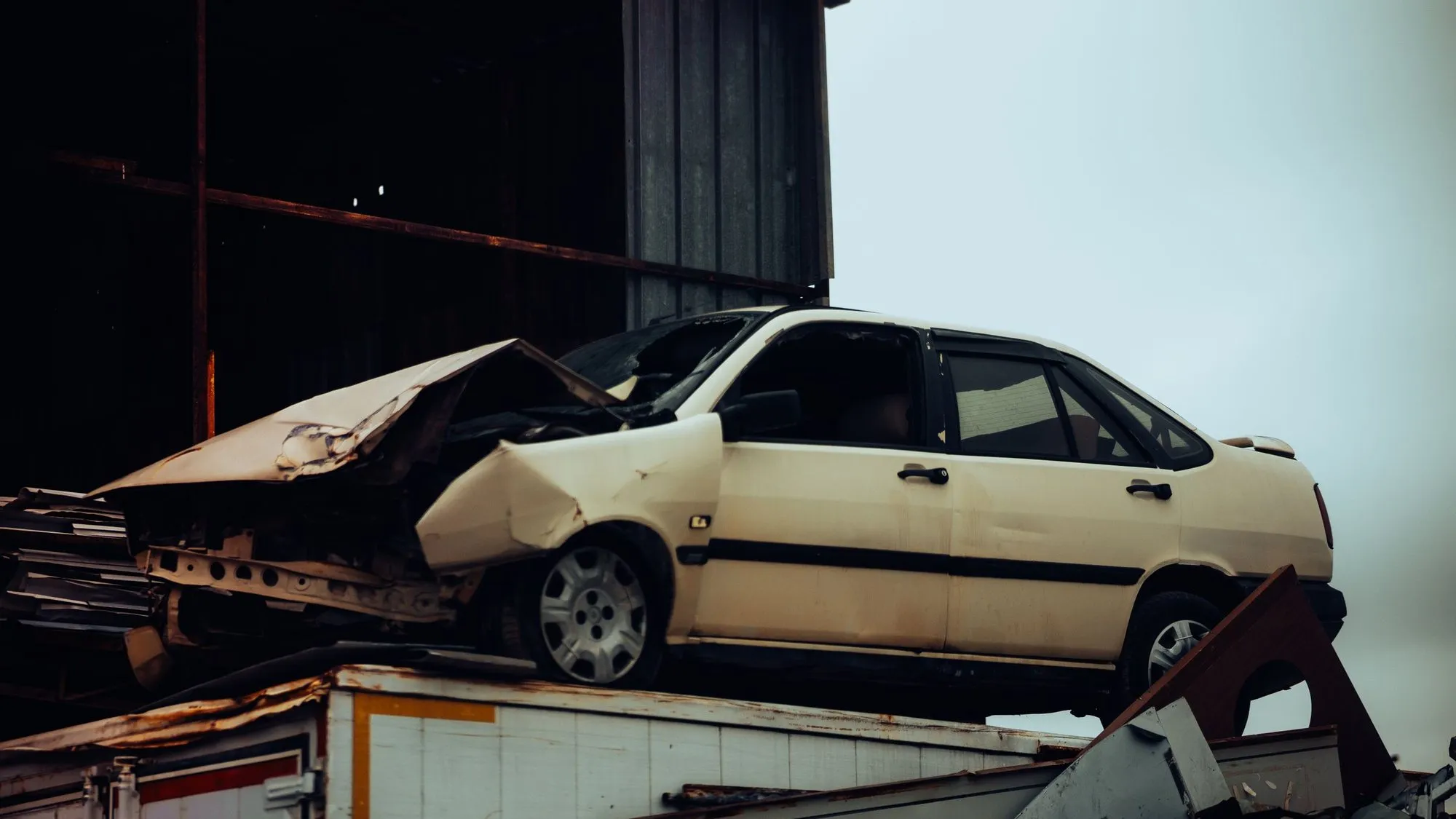
A salvage title is a label that a state puts on a vehicle’s title after it has been declared a total loss, usually because the cost to repair it was too high compared with what it was worth. A rebuilt title (some states say “reconstructed” or “revived”) is what a salvage vehicle can get after it has been repaired and passed the state’s requirements. The wording and the rules differ by state, so check with the DMV where the title was issued and where you plan to register the car.
Key takeaways
- A salvage title means a vehicle was written off as a total loss. It is not the same as a clean title.
- A rebuilt title means the car was repaired and cleared by the state. The salvage history stays on the record.
- The damage threshold, the names of the brands and the inspection steps are set by each state.
- NMVTIS, run by the Department of Justice, keeps brands from one state when a car moves to another state (“title washing”).
- A history report doesn’t replace an independent inspection by a mechanic.
What is a salvage title?
A “brand” is a label states put on a title to show a vehicle’s current or past condition. NMVTIS describes examples such as “junk,” “salvage” and “flood.” A salvage brand usually appears when an insurance company declares the vehicle a total loss, or when an owner reports heavy damage. Texas explains it this way: a salvage motor vehicle is one damaged so much that repair costs, including materials and labor, were more than the vehicle was worth before the damage, and insurance companies usually make the call.
A salvage brand tells you the car had a serious loss. It doesn’t tell you what the damage was, how well it was fixed or whether it’s safe. That is why you need records and an inspection.
Why the rules differ by state
NMVTIS gathers brand data from states, but it doesn’t change state law. The Justice Department notes that one state might brand a damaged car “salvage” while another doesn’t, because the damage didn’t reach that state’s dollar or value threshold. Some states have a “flood” brand, and others don’t.
Here are three examples, from each state’s own DMV:
| State | What its DMV says |
|---|---|
| South Carolina | A salvage brand is used when an insurer declares a total loss, when repairs exceed 75 percent of the vehicle’s value before the damage, or when body, unibody or frame damage makes it unsafe to operate. Once added, a salvage brand can never be removed, though the type of brand may change (for example, to “Salvage Rebuilt”) |
| New York | The DMV brands the title when a vehicle is 8 model years old or newer and the owner reports that it was destroyed or damaged by 75 percent or more of its retail value at the time of the damage. A repaired vehicle that is 8 model years old or newer gets a title that shows “REBUILT SALVAGE: NY.” Generally, titles for older vehicles aren’t branded |
| Texas | A vehicle with any of the listed NMVTIS brands is considered a salvage vehicle there. To be driven on the road again, it must first be rebuilt and inspected. Until then it is eligible only for a salvage title, a nonrepairable title or authority to dispose of it |
Treat these as examples, not a national rule. Your state may use a different percentage, different words or different steps.
Salvage title vs rebuilt title
| Salvage | Rebuilt (or reconstructed, revived) | |
|---|---|---|
| What it means | The vehicle was declared a total loss | A salvage vehicle was repaired and met the state’s requirements |
| Can it be registered for the road? | Generally not until it is repaired and cleared | Usually yes, under the state’s rules |
| Does the history stay? | Yes | Yes. The state keeps the salvage history, and so does NMVTIS |
| Typical extra step | Repair work | State inspection or verification, paperwork and fees |
California’s DMV describes a “revived salvage” vehicle as one that was reported as a total loss, then rebuilt and restored to operation. Before it can be registered again, the paperwork includes proof of ownership, a vehicle verification or a California Highway Patrol inspection form, and a vehicle safety systems inspection certificate. Fees apply, and the details change, so check the DMV’s current page.
A “junk” or “non-repairable” brand is different. South Carolina says vehicles with titles such as “only for parts” can’t be driven on its roads or on most other states’ roads, and California says a vehicle with a non-repairable vehicle certificate can’t be titled or registered again. If you see a title that says “parts only” or similar, don’t treat it as a car you can register.
How a salvage brand can affect you
A salvage or rebuilt brand can affect:
- Registration. You may need a state inspection before the car is allowed on the road.
- Insurance. Coverage depends on the insurer. Some limit what they cover, so ask before you buy.
- Financing. Lenders set their own rules for branded titles.
- Resale. Many buyers avoid branded vehicles, so they can be harder to sell. No single discount applies to every car, so compare similar vehicles with the same title status.
Texas also points buyers to these steps: learn the exact damage, consider insurability and resale value, have a reputable mechanic inspect the car, and get a title history report.
How to check a vehicle’s title history
- Get the VIN. Read it from the car and from the paperwork. Where to find the VIN on a car lists the usual spots.
- Run NICB’s free VINCheck. It shows whether participating insurers have reported the vehicle as salvage, flood-damaged or stolen and not recovered. It is limited to those insurers’ records.
- Get an NMVTIS report. Reports from approved providers, listed at vehiclehistory.bja.ojp.gov, show title and brand history, the latest odometer reading, any insurer salvage or total loss determination and transfers to junk or salvage yards. The FTC notes that you pay the provider’s fee.
- Ask the state DMV. NMVTIS says its data isn’t everything a state may hold in its own title record. Each NMVTIS report links to how to request the state’s full title record. Fees and processing times vary by state.
- Get an independent inspection. The FTC says a vehicle history report isn’t a substitute for an inspection by an independent mechanic. Ask for a written report that includes the VIN.
Do the title checks before the inspection, so you know what the mechanic should look for, such as structural repairs, airbags and signs of water damage.
If you suspect the car was stolen rather than wrecked, see how to check if a car is stolen.
What to ask the seller
- Can I see the original title (not a copy)?
- Why was the car declared a total loss?
- Can I see repair invoices and any state inspection paperwork?
- Does the VIN on the car match the title everywhere?
If the seller can’t or won’t answer, or the VINs don’t match, pause the purchase and ask the state DMV how to verify the records.
Frequently asked questions
Can you get insurance on a salvage title car?
It depends on the insurer and on whether the title is still salvage or has been rebuilt. Ask insurers what they will cover and what documents they want before you buy.
Can a salvage title be cleared?
Generally no. A salvage brand stays in the vehicle’s history. After repairs and an inspection, a state can issue a rebuilt or similar title, but the history is still there. South Carolina says a salvage brand can never be removed.
Is a rebuilt title the same as a clean title?
No. A rebuilt title means a former salvage vehicle met the state’s requirements. A clean title has no brand.
How much less is a salvage car worth?
There’s no fixed number. Value depends on the damage, the quality of the repair, the vehicle and local demand. Compare cars with the same title status.
What does a salvage title look like?
It varies by state. Look for a brand such as “salvage” or the state’s own wording, then confirm the VIN and brand with the issuing DMV.
Sources
Guides from the Retracie team on tracking packages, getting public records, finding people, tracing family history and checking vehicles and devices, checked against the official sources that hold the records.
Fees, forms and processing times change, so check the official office before you pay or send anything. How we write our articles.
More in Vehicles & Devices
See all
How to check if a phone is blacklisted before you buy it
By Retracie Staff ·
Get the seller's IMEI, run it through the free CTIA Stolen Phone Checker and your carrier's tool, and check for iPhone Activation Lock before you pay.

How to find your phone's IMEI number
By Retracie Staff ·
Dial *#06#, or check Settings, the SIM tray, the box or your account. Here is where to find your phone's 15-digit IMEI on iPhone and Android, and what it is for.

How to find lost AirPods
By Retracie Staff ·
Use Find My to locate your AirPods, play a sound, search for one earbud or the case, and see what to do when they show offline or no location.