How to make a family tree, step by step
Start with yourself, ask relatives, collect home records and search free sources like FamilySearch and the National Archives to build a tree you can trust.
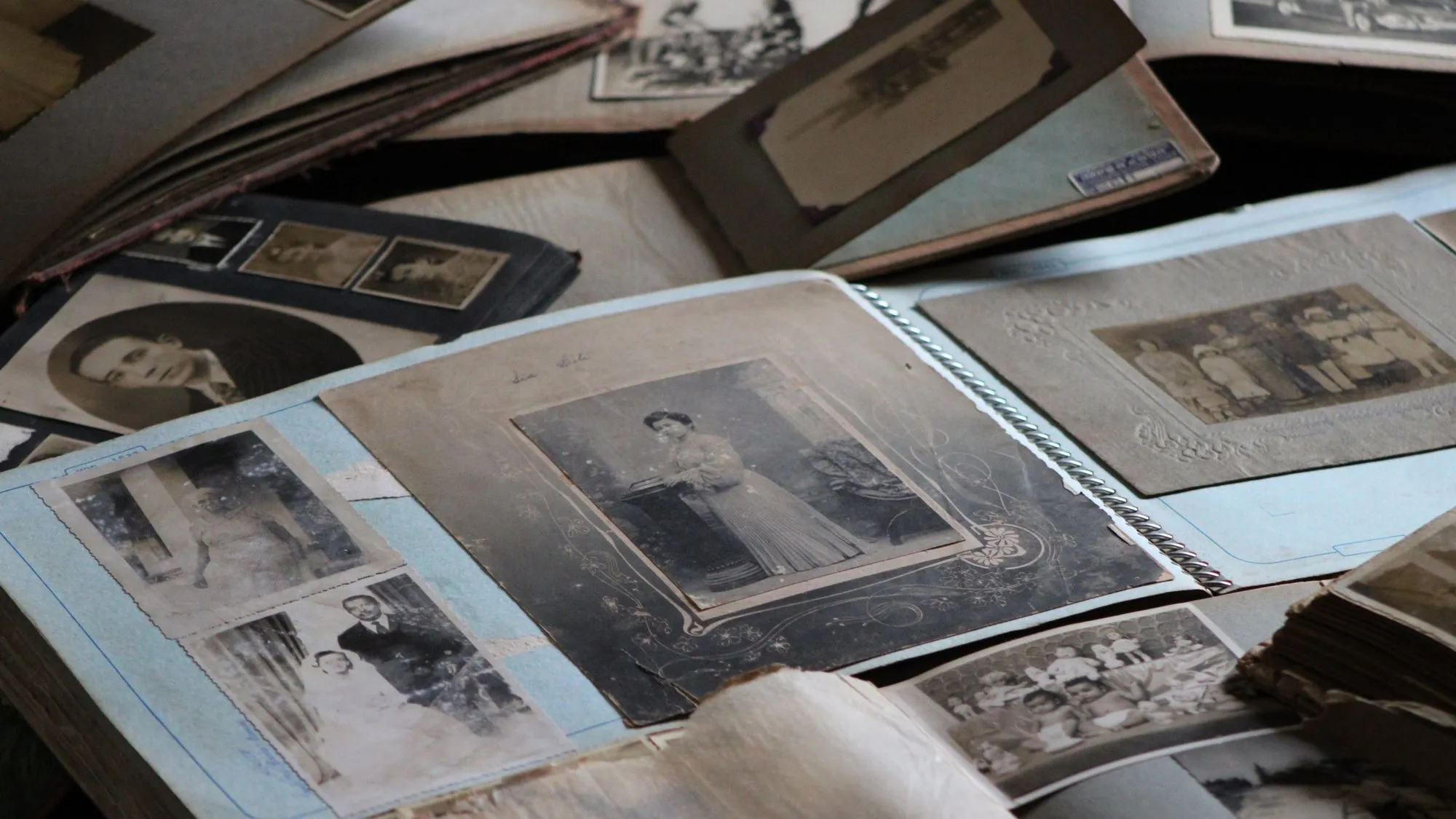
You can make a family tree by writing down what you know about yourself, then adding one generation at a time as you check names, dates and places. Start with yourself, work backward, and keep a note of where every fact came from.
Your first tree can be a short list or a simple chart on paper. As you talk to relatives and find records, add details carefully so you can tell confirmed facts from family stories.
Key takeaways
- Begin with your own details and build back toward earlier generations.
- Keep a copy or a note of the record behind each important fact.
- Use free sources such as FamilySearch, the National Archives and your public library before any paid service.
- Treat family stories and other people’s online trees as leads to check, not proof.
- Be careful about publishing details of living relatives.
Start with yourself and work back one generation at a time
Begin with the details you know firsthand, then add your parents and grandparents before moving further back. A steady, generation-by-generation approach helps you spot gaps and check that each parent-and-child link has support.
Write down your own details
Write down your full name, birth date and birthplace, then add your parents’ names and anything you know about their births and marriages. If you have your birth certificate or other family papers, use them to confirm spellings and dates.
Draw a basic ancestor chart with your name at the bottom, your parents above you and each set of grandparents on the next level. Leave blanks for unknown details and mark questions to check later instead of guessing.
Ask older relatives about names, places and dates
Ask relatives what they remember about family names, hometowns, marriages and moves. A short phone call can point you toward records you did not know existed.
Use open questions such as “Where did your grandparents live?” or “What name did she use before she married?” Write down who told you each detail and when. Memories are useful clues, but dates and relationships still need checking against records.
Gather family stories and home records
Home records can give you names, dates, places and leads for further research. Collect the papers and memories your family already holds before you search databases.
Look for certificates, Bibles, photos and obituaries
Check for birth, marriage and death certificates, letters, funeral programs, family Bibles and old address books. Photographs can offer clues through inscriptions, dates or the names of people pictured.
Obituaries may name relatives and places connected to a person’s life. Treat each detail as a lead to verify, especially when a record was written long after the event or relied on someone else’s memory.
Label and preserve what you find
Keep original papers somewhere safe and dry, and make digital copies when you can. Give scans clear file names with the person’s name and the date or approximate date.
Note where each item came from, such as a relative’s scrapbook or a family Bible. If you add notes to a photograph, write on a separate sleeve or in a file rather than on the picture itself.
Record names, dates, places and sources clearly
A useful tree records each person and relationship in a consistent way. Add the evidence behind each detail as you go so you can revisit uncertain entries later.
Use a pedigree chart and a family group sheet
A pedigree chart shows your direct ancestors across generations, so you can see which parents and grandparents you have identified. A family group sheet covers one family, with space for the parents, their children and key life details.
Use the pedigree chart to see the shape of your line, and family group sheets to capture siblings, spouses and children. Both work on paper or in a digital file.
Record women under their maiden names
Enter a woman’s birth surname as her main name when you know it, and add married surnames as other names. This makes it easier to connect records created at different points in her life.
If you do not know her maiden name, leave that field blank and note the name used in the record you have. A married surname is not proof of a birth surname.
Use approximate dates when you are unsure
Use a label such as “about 1880” when a record gives an estimate or when family knowledge points to a period but not an exact date. Mark uncertainty with a question mark or a short note explaining the clue.
Keep a separate note of why you estimated, such as an age listed in a census. That helps you tell a rough working date from one supported by a birth record.
Search free, reliable U.S. records
Free government and library resources are a strong starting point for U.S. family research. Search with the names, places and approximate dates you have gathered, then compare results with your own records.
Start with FamilySearch, the National Archives and your library
FamilySearch is a nonprofit service that is free to use, with family tree tools and historical records. Some records are held by partner sites, and FamilySearch notes that it cannot guarantee full free access to third-party sites.
The National Archives holds federal records useful for family history, including census, immigration and military records. Its genealogy pages explain how to explore them. Your public library may also offer genealogy guides, local history collections and free access to databases, so ask at the reference desk.
Search one person at a time and use more than one detail, such as a place and an approximate birth year, to tell people with similar names apart. Save the record details with each fact you add.
Know when census records become public
Individual census records are released to the public 72 years after each census. The 1950 census was released on April 1, 2022, so it can help you trace relatives who were living in the United States at that time. The National Archives has census schedules from 1790 to 1950.
Census entries can show names, ages and places of birth for a household. Use them to guide further searches, but remember an entry can contain errors or reflect what one household member told the census taker. Most of the 1890 census was destroyed in a fire in 1921, so you will not find a full record for that year.
Verify clues and protect living relatives
Check important details against records before treating them as established, and handle information about living people with care.
Treat family stories and online trees as leads
A relative’s story or another person’s online tree can suggest a name, place or date to investigate. Look for records that support the connection, such as certificates, census entries or obituaries, and note any conflicts.
Avoid copying an online tree without checking its evidence. If two records disagree, keep both in your notes and look for a third that clears it up.
Be careful about publishing details of living people
Ask relatives before you share personal details, photographs or stories about them. A public tree can expose information that family members would rather keep private.
For a version you plan to share widely, leave out sensitive details about living relatives or use only what they have agreed to. Keep your full working notes in a private file.
Let documented facts guide each new branch
Add a new branch when you have a supported link to the next person. A record for one ancestor may point to parents or siblings, but verify each relationship before you extend the tree.
Keep a simple research log with the question you are trying to answer, the records you checked and what each one showed. When something stays uncertain, label it and come back after you have more evidence.
Frequently asked questions
What is the easiest way to make a family tree?
Start with yourself and add your parents, grandparents and earlier generations one at a time. A paper chart or a free online tree works well as long as you record where each detail came from.
How do I make a family tree on paper?
Write your name at the bottom of a sheet and place your parents above you, then each set of grandparents on the next level. Use lines to show relationships, leave unknown details blank, and keep a separate note of the records behind each entry.
Can I make a family tree for free?
Yes. You can build one with paper, a spreadsheet or a free online service such as FamilySearch. Public libraries and government collections also offer free ways to search many U.S. records.
Is there a free family tree template?
A blank pedigree chart is a free template for mapping direct ancestors, and a family group sheet organizes parents and their children. You can print one or draw the same layout by hand.
How do I make a family tree in Google Docs?
Open a blank document and use Insert, then Drawing, to create labeled boxes and connecting lines. Put each generation on its own level and add a second page for the records behind your entries.
Sources
Guides from the Retracie team on tracking packages, getting public records, finding people, tracing family history and checking vehicles and devices, checked against the official sources that hold the records.
Fees, forms and processing times change, so check the official office before you pay or send anything. How we write our articles.
More in Family History
See all
How to find military records for a veteran or ancestor
By Retracie Staff ·
Request service records from the National Archives (NPRC) online or with SF-180. Who can get them, the 62-year rule, the 1973 fire and other places to look.

How accurate are ancestry DNA tests?
By Retracie Staff ·
Close-relative matches are usually reliable, but ethnicity percentages are estimates that vary between companies. What the results can and cannot tell you.

How to find old obituaries
By Retracie Staff ·
Find an old obituary for free: start at the local library, then try Chronicling America, state collections, FamilySearch, funeral homes and historical societies.