How to find divorce records
Find a divorce decree from the county court clerk or a divorce certificate from the state vital records office. What each holds, who can get it, and what it costs.
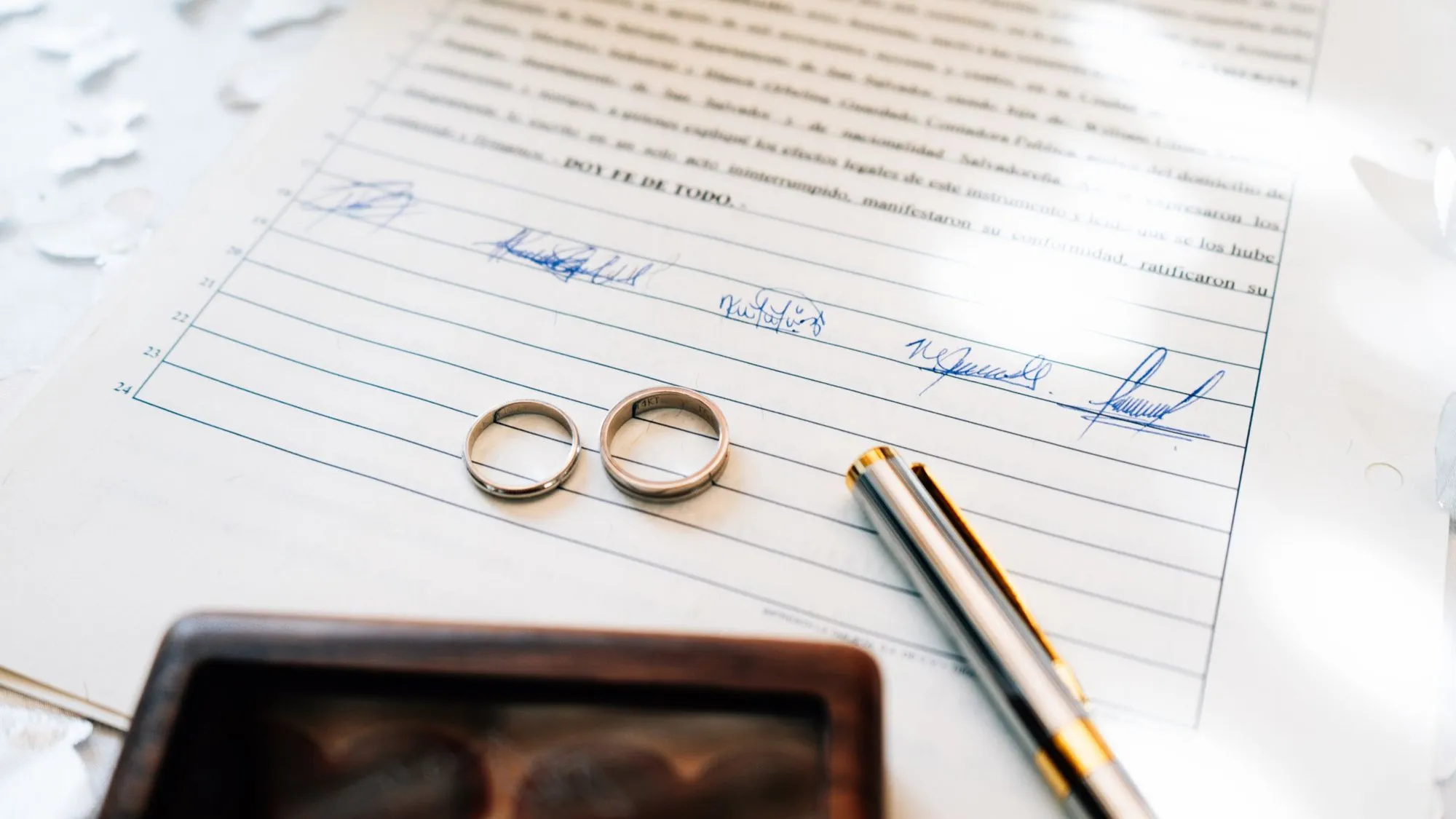
To find a divorce record, start with the clerk of the court in the county or city where the divorce was granted. The clerk holds the divorce decree and the case file. Some states also have a short divorce certificate, which comes from the state vital records office.
Which one you need depends on why you want it. This guide explains the difference, where each is held and how to request it.
Key takeaways
- A divorce decree is the court’s order ending the marriage. It comes from the clerk of the county or city court where the divorce took place.
- A divorce certificate only shows that a divorce happened. Many states’ vital records offices issue one, but not all.
- Search by the spouses’ names and an approximate year, and use the county where the divorce was granted, not where either person lives now.
- Access rules, fees and times differ by court. Some states seal divorce files.
Divorce decree or divorce certificate?
USAGov explains the two documents this way:
| Divorce decree | Divorce certificate | |
|---|---|---|
| What it is | A court order that ends the marriage and sets out its terms | A vital record proving that a divorce occurred |
| What it shows | Terms such as division of assets and debts, alimony, custody, visitation and child support | Both people’s names and the location and date of the divorce |
| Who holds it | Clerk of the county or city court where you got divorced | State vital records office, in states that issue one |
| Often used for | Enforcing the terms of the divorce | Changing your name or remarrying |
Before you order, check which one the agency or organization asking for proof will accept. If it asks for a “certified copy of your divorce decree,” a certificate may not be enough.
Where to look
The county or city court clerk
Contact the clerk of the court where the divorce was granted. USAGov says the clerk will tell you how to order a copy, the cost and what information to give. The office name varies by state. It may be the circuit clerk, district clerk, superior court clerk or county clerk.
Use the county where the divorce was finalized. If you know the state but not the county, old court papers, a lawyer’s paperwork or a past mortgage or name-change file may name the court. If you still aren’t sure, ask a court clerk in the likely area how to find the right court.
The state vital records office
USAGov says many states offer divorce certificates, and tells you to contact the vital records office in the state where the divorce took place to learn if it issues them. The CDC’s Where to Write for Vital Records page links to each state’s office. If you need help understanding how these offices work, see how to get a copy of your birth certificate.
Coverage dates can be limited. North Carolina’s vital records office, for example, lists divorce certificates from 1958 to the present, and says you can also get them from the Clerk of Court in the county where the divorce was filed. Its page also says that to get a certified copy you must state your relationship to the people named on the record.
How to search and request a record
- Gather the basics. You need both spouses’ names as they were at the time, an approximate year and the likely county. A case number makes things much easier.
- Try the court’s online case search. Many courts have a public search. Try both names, and try shorter or alternate spellings. Online systems often show a case summary but not every document.
- Contact the clerk for a copy. Follow the clerk’s instructions for requesting by mail, online or in person. Say whether you need a regular or a certified copy, and ask what ID and payment it accepts.
- Or ask the state office for a certificate. If your state issues divorce certificates, order through its page, and use only the vendor it names, if any.
If you cannot find the case, check name spellings, widen the year range, try the other spouse’s name and ask the clerk what else could help.
Who can get a divorce record?
Divorce case records are generally public, but states and courts differ.
- Some places seal divorce files. Monroe County, New York, says divorce files are sealed and available only to the plaintiff, defendant or attorneys of record, with ID required. Someone who isn’t a party needs a court order to see the file.
- Certified copies may be limited to the people named or those who show a qualifying interest, as in North Carolina’s relationship requirement for certificates.
- Parts of a file may be restricted even when the decree itself is available. Ask the clerk what applies in that court.
If you are a party to the divorce, say so when you contact the court and ask what proof of identity it needs. Divorce records are not a way to locate a former spouse or anyone else who doesn’t want to be found. If you have a safety concern, a court’s self-help center, a legal aid office or a lawyer can explain your options.
What it costs and how long it takes
Fees depend on the office and what you ask for, such as a plain copy, a certified copy or a staff search for an older case. They can differ a lot from one county to the next, so ask the clerk for the current fee. Processing time also varies. If you need the document by a deadline, ask about the current wait and whether the office offers a faster option.
Beware of websites that offer to “find” divorce records for a fee. They are not courts or vital records offices, and the record itself comes from the clerk or the state.
If a record is sealed, restricted or missing
- Ask the clerk what is restricted and what the procedure is to request access.
- For help with a legal question, use the court’s self-help center, a legal aid organization or a lawyer.
- If the divorce happened out of state, search that state’s courts. USAGov notes the records are held where the divorce took place.
Frequently asked questions
Can I find divorce records for free?
You may be able to search a court’s online portal for free. Copies of documents, and certified copies in particular, usually cost money.
Where do I get a copy of my divorce decree?
From the clerk of the county or city court where you got divorced. USAGov says the clerk will tell you how to order, what it costs and what information you need to give.
What is the difference between a divorce decree and a divorce certificate?
A decree is the court’s order and sets the terms of the divorce. A certificate is a vital record showing that a divorce occurred, with the names, place and date.
Are divorce records public?
Generally yes, but not everywhere. Some courts seal divorce files or restrict who can get certified copies, so check the rules where the divorce was granted.
What if I don’t know which county the divorce was in?
Look at old paperwork for the court name or case number. If that doesn’t help, ask a court clerk in the likely area how they can help you identify the right court.
Sources
Guides from the Retracie team on tracking packages, getting public records, finding people, tracing family history and checking vehicles and devices, checked against the official sources that hold the records.
Fees, forms and processing times change, so check the official office before you pay or send anything. How we write our articles.
More in Public Records
See all
How to find arrest records
By Retracie Staff ·
Find arrest and booking records through the county sheriff, local police, court portals and state or FBI criminal history. Official routes, limits and legal cautions.

How to check if you have a warrant
By Retracie Staff ·
Use official sources only to check for a warrant in your own name: the court clerk, county sheriff and state portals. Why a lawyer should be your first call.
How to find out if someone has died
By Retracie Staff ·
Check obituaries and funeral home notices, then state death records and the Social Security death file. What each source shows, and its limits.